Parking Suspension & Loading Bay Rules for Selhurst Moves
Posted on 05/07/2026
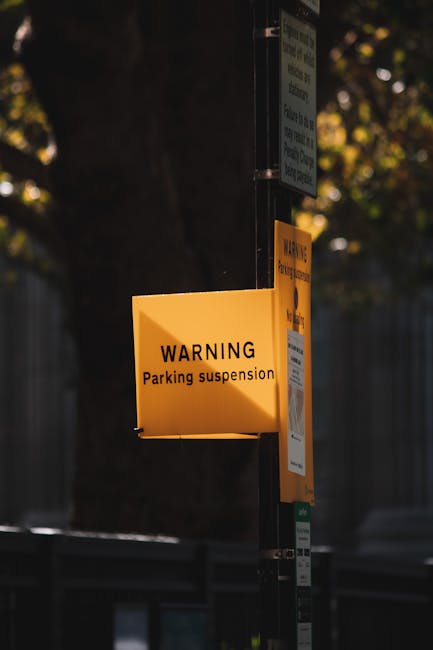
Parking Suspension & Loading Bay Rules for Selhurst Moves: a practical guide for smoother moving day
Moving in Selhurst can be straightforward on paper and slightly chaotic in real life. The van arrives, the sofa is ready, the hallway looks narrower than you remember, and then the big question hits: where is the vehicle going to stop? That is exactly why Parking Suspension & Loading Bay Rules for Selhurst Moves matter. If you get the parking plan right, everything tends to feel calmer, quicker, and a lot less awkward. Get it wrong, and even a well-organised move can end up with avoidable delays, frustration, or a very tired team staring at a double-parked van. Not ideal, really.
This guide explains how parking suspensions and loading bay arrangements usually work, when they are worth arranging, and how to avoid the common slips that cause moving day headaches in Selhurst. It also covers practical steps, compliance awareness, and a few local-moving realities that often get missed. If you are planning a house move, flat move, office move, or a same-day job, the details here can save time and stress.
- Why the rules matter
- How parking suspensions and loading bays work
- Key benefits and practical advantages
- Who needs this and when it makes sense
- Step-by-step guidance
- Expert tips for better results
- Common mistakes to avoid
- Tools, resources and recommendations
- Law, compliance and best practice
- Options and comparison table
- Case study
- Practical checklist
- Conclusion
- Frequently asked questions
Why Parking Suspension & Loading Bay Rules for Selhurst Moves Matters
Parking is not just a background detail on moving day. In busy parts of Selhurst, a poorly planned parking arrangement can affect the entire rhythm of the move. A removal van needs space close to the entrance. Porters need a clear run from the property to the vehicle. Neighbours still need access. And in many streets, there may be time restrictions, permit bays, single yellow lines, resident bays, or loading restrictions to think about.
Parking suspension is usually about temporarily reserving or restricting a section of the road so a vehicle can load or unload safely. Loading bay rules, meanwhile, relate to where and when you can stop for loading purposes. They sound simple enough, but in practice they need proper planning. Why? Because a few metres can make the difference between one tidy run and five exhausting trips through the rain.
There is also a trust and safety angle. If the van has to stop too far away, more carrying is needed. More carrying means more congestion on the pavement, more time spent with doors open, and more risk of damage. That is why many people planning a Selhurst move also look at packing strategies that make moving day easier and simple ways to keep the whole move calm. The parking side and the packing side work together. They really do.
How Parking Suspension & Loading Bay Rules for Selhurst Moves Works
The exact process can vary, but the practical idea is consistent: you identify the parking setup you need, check what applies in that street, and arrange the right permission or plan before moving day. In many parts of London, local councils manage suspensions, loading permissions, and related traffic controls. Selhurst moves can be affected by street layout, bay availability, and whether the property sits on a narrow residential road or near a busier route.
A parking suspension normally applies to a specific stretch of road and for a fixed period. It may be used to create room for a removal vehicle, protect access, or prevent conflict with existing bays. Loading bay rules are different. A loading bay may be available only at certain times, or only for vehicles actively loading or unloading. That means a van cannot simply sit there all day because it feels convenient. The phrase "actively loading" is doing a lot of work.
In real terms, you should think in three layers:
- Location: where the van can legally stop and how close that is to the property.
- Timing: which parts of the day allow loading, and how long the activity will take.
- Permission: whether a parking suspension, loading bay use, or another arrangement is needed for the move.
If your move is complicated by narrow access, bulky furniture, or a tight time slot, the parking plan deserves the same attention as the boxes. For example, someone moving a flat with a large bed frame, a washing machine, and several heavy boxes will feel the difference immediately. A clear loading point can cut the back-and-forth in half. That is not a tiny improvement. It changes the tone of the day.
For larger or awkward items, it can also help to read about moving beds and mattresses safely and why specialist help matters for piano transport, because both types of move become harder if the van cannot park close enough.
Key Benefits and Practical Advantages
When parking and loading are planned properly, the benefits are immediate and fairly obvious once you see them in action.
- Faster loading and unloading: shorter carrying distances mean the team works more efficiently.
- Less risk of damage: fewer trips reduce the chance of bumping walls, scrubbing door frames, or dropping items on the pavement.
- Better safety: everyone has a clearer route, with less pressure to rush.
- Less stress with neighbours and other road users: a planned stop is usually easier to manage than an improvised one.
- Lower chance of moving-day disruption: you are less likely to be forced to shift the van mid-load.
One of the quieter advantages is psychological. It sounds a bit dramatic, but it is true. When the van is parked properly and the loading area is sorted, people relax. They stop wondering whether they will need to move it in ten minutes. They focus on the move itself. And that matters when everyone is already juggling keys, meters, boxes, and last-minute phone calls.
Another practical upside is that it can support better scheduling if you are using a tight moving window. That comes up often with same-day removals in Selhurst or an urgent move for Selhurst residents, where every minute counts and there is much less room for parking guesswork.
Who This Is For and When It Makes Sense
Not every move needs a formal parking suspension, and not every move needs loading bay planning in detail. But plenty do. The decision usually depends on access, volume, and the local street environment.
This is especially relevant if you are:
- moving from a flat with limited roadside access
- moving from or into a terraced street with little spare kerb space
- using a large removal van that needs a clear loading point
- moving office equipment that must be handled quickly
- booking an early morning or time-sensitive move
- relocating bulky items such as sofas, wardrobes, or white goods
It also makes sense if there is a realistic chance that the van could be blocked by parked cars, delivery vehicles, or local traffic. In Selhurst, that is not an unusual risk. You might look out at the road the night before and think it all seems fine, then by 8:15 a.m. half the street is occupied. That is just how it goes sometimes.
If you are a student moving between rented places, or handling a smaller flat move, you may still need a parking plan even if the load is modest. For those situations, student removals in Selhurst and flat removals in Selhurst can benefit from simple loading arrangements rather than anything heavy-duty.
Step-by-Step Guidance
A sensible parking plan does not need to be complicated. It just needs to be done early and checked properly. Here is the cleanest way to approach it.
- Assess your access early. Stand outside the property and look at the road as if you were the van driver. Where could a vehicle stop? Is there a loading bay nearby? Are there resident bays or yellow lines?
- Estimate your loading time. Be realistic. A two-bedroom move may sound quick until you factor in stairs, awkward furniture, and the odd missing box that turns up at the last second.
- Check what type of restriction applies. Some streets allow loading for limited periods; others need a suspension or another parking arrangement. If in doubt, ask before relying on guesswork.
- Match the vehicle to the space. A smaller van might fit where a larger one cannot. That can be the deciding factor in tighter Selhurst roads.
- Build in buffer time. A good rule of thumb is to assume the load will take longer than your optimistic estimate. Truth be told, it usually does.
- Prepare the walkway. Keep hallways clear, protect floors if needed, and make sure nothing blocks the path between the property and the van.
- Confirm the plan before moving day. Double-check the time, location, and any notes about the bay or suspension. One small detail missed here can cause a silly amount of hassle.
Where furniture is involved, it also helps to reduce the amount you are moving in the first place. A tidy declutter before the move can save parking time because fewer items need loading. If that part is still on your list, take a look at how to declutter before moving and how to streamline packing. They fit neatly into this kind of planning.
Expert Tips for Better Results
Here are the small things that tend to make the biggest difference. Not flashy, just useful.
- Do not leave parking planning until the end. The best time to check is before the boxes are packed, not after.
- Pick the right moving window. Early starts can help, but only if you know the street is workable at that time. Some roads are easier before the school run or commuter rush.
- Keep the largest items closest to the exit. That saves time when the loading bay or suspension window is limited.
- Use proper lifting technique. Parking is only half the battle. Handling the item safely matters too. If you are moving heavy objects, the guidance in this lifting advice can help you avoid strain.
- Protect the route from property to van. A few minutes spent on floor protection or doorway padding can prevent a lot of tiny dings and complaints.
- Keep one person focused on access. During busy moments, someone should watch the route and space rather than assuming everyone else is doing it.
Another good habit is to separate the "must-load first" items. Think keys, documents, essential kitchen bits, and the awkward furniture that needs a clear run. If the van parking is tight, load the critical stuff before the nice-to-have extras. That way, even if the slot is shorter than expected, the essentials are already safe.
For larger household moves, it can also help to read practical advice for mattress moving alongside your parking plan, because bulky items slow loading if the route is not organised properly.

Common Mistakes to Avoid
Most parking problems are not dramatic. They are small planning mistakes that snowball into annoying delays. The good news is they are fairly easy to avoid once you know the usual traps.
- Assuming a loading bay is available just because it exists. Rules and times matter.
- Forgetting to check street signage. The bay or space may have specific loading restrictions.
- Underestimating the time needed. A short planned stop can become a long actual stop.
- Blocking access for neighbours or service vehicles. That can create friction very quickly.
- Leaving bulky furniture packed in a way that is awkward to carry. Poor packing slows the route to the van.
- Not thinking about the return trip. You need space not just for the first load, but for the whole cycle of moving in and out.
A lot of people also forget to consider what happens if the van cannot stop where expected. If that happens, the team may need to use a secondary location or a longer carry route. That is manageable, but it is far better not to rely on luck. Luck is not a strategy. Useful in life, less useful on moving day.
If you want to avoid hidden extras caused by poor access or parking issues, it is worth reading how Selhurst removals pricing can change. Access affects effort, and effort affects cost. Usually, it is that simple.
Tools, Resources and Recommendations
You do not need a mountain of equipment to handle parking and loading well, but a few practical tools make life easier.
- Printed moving plan: simple, but very effective for keeping the schedule visible.
- High-visibility notes or labels: useful if multiple people are helping and boxes need priority handling.
- Protective blankets and straps: not a parking tool as such, but they reduce delays when loading items into a tight van space.
- Floor protection: helpful where you expect repeated trips to and from the van.
- Measuring tape: useful for checking whether a van length or item width will cause problems at the loading point.
For a smoother overall move, many people also pair parking planning with professional removal support, especially when using a man with a van in Selhurst, man and van support, or a more structured removal service in Selhurst. The right setup depends on how much you are moving and how tight access is.
For larger homes or business moves, you may also want to look at house removals in Selhurst, office removals in Selhurst, or a dedicated removal van in Selhurst. Those pages can help you choose the right fit once you know your access situation.
Law, Compliance, Standards, or Best Practice
This area needs careful wording. Parking suspension and loading bay use are usually controlled by local authority rules, traffic signs, and the specific conditions attached to the space. The exact process can differ depending on the street, the time of day, and whether the property sits in a controlled parking zone or a designated bay area.
The safest general approach is to follow the posted restrictions and arrange permission where a formal suspension or authorised loading arrangement is required. Do not assume that because a van is there for a move, the usual rules disappear. They usually do not.
Best practice in this context means:
- checking access early
- confirming the relevant loading rules
- avoiding obstruction of traffic or pavements
- using only the space and time permitted
- keeping evidence or confirmation of any agreed arrangement
If your move is in a stricter street or a busier part of Selhurst, be extra cautious. A small compliance issue can ripple into a bigger moving problem. Also, if you are coordinating with removal professionals, it helps to ask how they handle access planning, because experienced teams usually spot the tricky bits before they become a nuisance.
As a broader safeguard, it is sensible to review company policies around health and safety and insurance and safety. Those pages are useful if you want to understand how a professional provider thinks about risk, carrying, and protection during a move.
Options, Methods, or Comparison Table
Different moves call for different access solutions. Here is a simple comparison to help you think it through without overcomplicating things.
| Option | Best for | Pros | Watch-outs |
|---|---|---|---|
| Parking suspension | Busy streets, limited kerb space, larger moves | Creates controlled space; reduces parking conflict; can speed up loading | Needs advance planning; may involve local rules and timing constraints |
| Loading bay use | Short loading periods, urban streets, lighter moves | Convenient when close to the property; often efficient for quick unloads | May have time limits; may not suit long or slow moves |
| Standard street parking | Quieter roads, low-traffic periods, flexible moves | Simple if space is available; no extra arrangement in some cases | Availability is uncertain; can be affected by other vehicles or restrictions |
| Smaller van or shuttle approach | Tight roads or awkward access | More adaptable; easier to position close to the property | May require more trips if the load is large |
There is no universal best answer. A flat move with light belongings may be fine with a well-timed loading bay. A full house move with bulky furniture may need a more controlled parking arrangement. Sometimes, people assume the biggest van is the best van, but on a narrow road that can be the opposite. A slightly smaller vehicle with easier access can actually save time. Oddly enough, the "less obvious" choice is often the smarter one.
Case Study or Real-World Example
Here is a realistic example from the sort of move that comes up all the time in Selhurst.
A tenant moving from a first-floor flat near a busy residential road had a sofa, bed frame, two wardrobes, a dining table, and roughly twenty boxes. On paper, it looked like a straightforward half-day job. The problem was road space. The street filled quickly in the morning, and the nearest legal stopping point was not directly outside the entrance. Without planning, the van would have been forced into a longer carry route and a lot more manoeuvring.
The fix was simple but effective: the parking arrangement was checked in advance, the loading window was matched to the move time, and the larger furniture was staged near the front room before the van arrived. The result was less waiting, fewer repeated trips, and a calmer pace overall. Nobody was sprinting up stairs with a chest of drawers while muttering under their breath, which is always a win.
That same approach would also have helped if the move had included fragile items, like a piano or specialist storage pieces. If your belongings need extra care, the advice in storage tips for sofas and end-of-tenancy cleaning guidance can fit neatly into the wider moving plan, especially when you are trying to leave the property in good shape and keep the day efficient.
Practical Checklist
Use this as a quick moving-day check. It is simple, but that is the point.
- Confirm the address, access point, and planned arrival time
- Check whether the road has loading restrictions or bay rules
- Decide whether a parking suspension or loading bay arrangement is needed
- Measure any awkward furniture before the van arrives
- Stage boxes and large items close to the exit
- Keep hallways and stairwells clear
- Protect flooring and door frames where needed
- Make sure someone is available to manage access on the day
- Build a little buffer into the schedule, just in case
- Keep essentials separate from the main load
If you are also arranging storage for items that do not need to go immediately, it may help to explore storage in Selhurst before moving day. That can take pressure off the van loading plan and make the parking arrangement simpler.
Get a free quote today and see how much you can save.
Conclusion
Parking suspension and loading bay rules might seem like a small admin task, but on moving day they can shape everything else. In Selhurst, where access can vary street by street, a sensible parking plan helps protect time, reduce stress, and keep the move running smoothly. It also gives you more control over the parts of the day that usually feel least controllable.
If you remember only one thing, let it be this: parking is part of the move, not separate from it. Plan it early, check the restrictions properly, and make sure the loading route actually works for the vehicle and the items you are moving. That simple mindset can save a lot of last-minute scrambles.
And if the day feels a bit too full of moving parts, that is normal. Take it one step at a time, keep the plan close, and let the practical details do some of the heavy lifting for you.