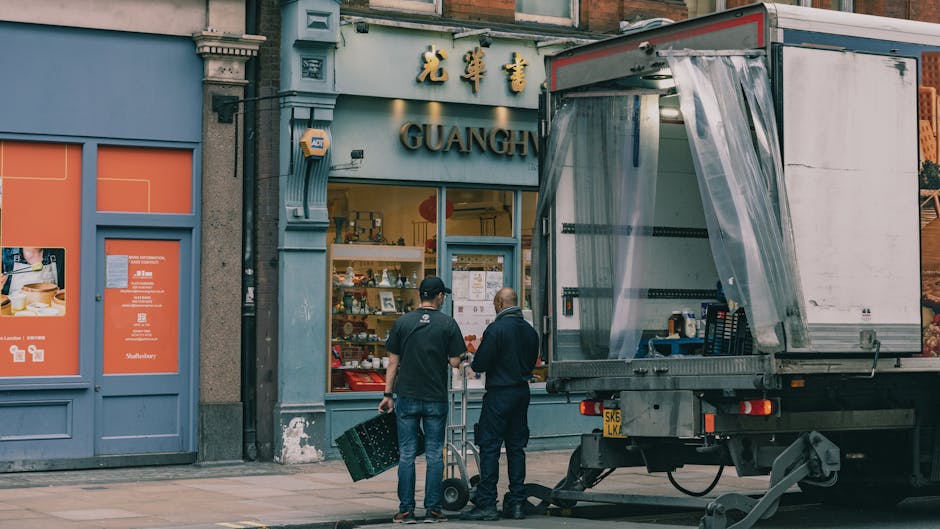
Office Removals for Selhurst Businesses and Shops
Moving a business is rarely just about boxes and furniture. In Selhurst, it can mean working around narrow streets, shop opening hours, staff schedules, stock deliveries, and the simple fact that customers still expect the door to open on time. That is why office removals for Selhurst businesses and shops need a careful, local approach. Done well, the move feels controlled, tidy, and almost calm. Done badly, it can turn into a long day of missing cables, misplaced stock, and a lot of sighing over a half-packed desk. Not ideal.
This guide explains how office removals for Selhurst businesses and shops work, what to expect, how to plan properly, and where the common mistakes tend to appear. Whether you run a small shop, a shared office, or a growing local company that simply needs a better space, you will find practical steps here that make the whole process easier to manage.
Table of Contents
- Why Office Removals for Selhurst Businesses and Shops Matters
- How Office Removals for Selhurst Businesses and Shops Works
- Key Benefits and Practical Advantages
- Who This Is For and When It Makes Sense
- Step-by-Step Guidance
- Expert Tips for Better Results
- Common Mistakes to Avoid
- Tools, Resources and Recommendations
- Law, Compliance, Standards, or Best Practice
- Options, Methods, or Comparison Table
- Case Study or Real-World Example
- Practical Checklist
- Conclusion
- Frequently Asked Questions
Why Office Removals for Selhurst Businesses and Shops Matters
A business move affects more than desks and chairs. It affects trading hours, customer experience, staff morale, phone access, internet setup, and sometimes stock continuity. For shops in particular, even a short disruption can be felt at the till. For offices, lost time usually shows up as missed calls, delayed admin, or teams trying to work around a pile of labelled crates. Truth be told, most businesses underestimate how many moving parts there really are.
Selhurst has its own local rhythm too. The area is busy, practical, and tightly connected to surrounding parts of Croydon. Parking can be limited, access may be awkward at certain times, and loading space is not always generous. If you have ever watched a van inching into position on a tight road while someone carries a monitor through a front door that barely clears the frame, you will know what I mean. Local knowledge matters.
Office removals for Selhurst businesses and shops matter because the move has to protect three things at once: your assets, your time, and your reputation. When those are handled well, a relocation becomes an upgrade rather than a headache.
Key point: The best business move is not the one that looks impressive from the outside. It is the one that keeps your operations steady, your items safe, and your team confident from start to finish.
If your move includes furniture, archived files, retail fixtures, or specialist equipment, a service such as office removals can help coordinate the heavier lifting, while broader commercial moves are often better suited to larger or more complex premises.
How Office Removals for Selhurst Businesses and Shops Works
At a practical level, the process is usually quite straightforward. The complexity comes from the detail. A good removals plan normally begins with an assessment of what is being moved, when trading needs to stop and restart, and how access will work at both ends.
1. Survey and planning
The first step is usually a quick walkthrough or a detailed discussion. This helps identify the size of the move, the type of items involved, and any awkward elements such as stairs, fragile stock, IT equipment, or fixed furniture. In a shop, the team may also need to think about display units, tills, storage cages, and products that must remain organised by category.
This is the stage where a lot of stress is saved later. A short conversation about lift access or parking can prevent a long delay on moving day. Small detail, big impact.
2. Packing and labelling
Business removals work best when everything is clearly labelled by department, floor, or function. A box marked "office stuff" is not much use once you are standing in a new room trying to find a cash drawer key. Better labels are specific: "Accounts - stationery," "Front desk - files," or "Stock - window display."
Some businesses prefer to handle packing internally. Others use packing and unpacking services to save time and reduce damage. For busy shop owners, that support can be a lifesaver, especially if the move needs to happen outside trading hours.
3. Loading and transport
Once the items are prepared, they are loaded in an order that reduces handling and protects fragile goods. Heavy items go in safely, lighter and breakable items are secured, and the vehicle is arranged so that the first things needed at the other end are easiest to reach. It sounds simple. It rarely is, unless the loading plan has been thought through.
4. Delivery and placement
At the destination, items should be placed where they belong rather than dumped in one large pile. That makes the unpacking stage faster and prevents the new space from becoming chaotic on day one. For shops, this can mean arranging stockroom items separately from display fixtures. For offices, it may mean putting IT equipment in the right rooms before the team arrives.
5. Set-up and final checks
Some moves finish once the items are inside. Better moves go a little further. They include checking that key items have arrived, fragile goods are intact, and nothing has been left behind. If you are moving a business that depends on opening quickly, this final sweep is worth its weight in gold. Or near enough.
Key Benefits and Practical Advantages
There is more to professional office moving than convenience, although that is certainly part of it. A well-managed move can protect revenue, reduce disruption, and make the new space functional much sooner.
- Less downtime: A structured move helps your team get back to work quickly.
- Lower risk of damage: Proper handling reduces breakages, scratches, and avoidable losses.
- Better organisation: Clear labelling and planning make unpacking far less painful.
- Improved staff confidence: People settle faster when they know the move is under control.
- Cleaner customer transition: For shops, a smoother move protects the customer experience.
- More efficient use of space: Moving is a good moment to rethink layout, storage, and workflow.
There is also a quieter benefit that gets overlooked: peace of mind. When you know the route, the timing, the vehicle size, and the plan for awkward items, the whole move stops feeling like a guessing game. That matters, especially if you are also trying to keep a business running.
If you are comparing service styles, a flexible man and van arrangement may suit smaller offices or shop transfers, while a larger removal company approach may be more appropriate for bigger premises or multi-room moves.
Who This Is For and When It Makes Sense
Office removals for Selhurst businesses and shops make sense for a wide range of situations. Some moves are straightforward. Others are messy, time-sensitive, or awkward in ways that are hard to predict until you start lifting things. Let's be honest, most business relocations are a bit of both.
Typical users include:
- Independent shops moving to a larger or better-located unit
- Small offices relocating to reduce costs or improve access
- Start-ups leaving shared or temporary space
- Clinics, agencies, studios, and service firms with desks and equipment
- Retailers combining stock, shelving, till systems, and display units
- Businesses refreshing their layout after a lease change or renovation
It also makes sense if you are moving only part of a business. Maybe the stockroom needs shifting, or one office floor is being repurposed. Maybe the shop is staying open, but the back office is being relocated first. Partial business moves are common, and they need just as much planning as full ones.
A move is usually worth considering when the current space is starting to hold the business back. That might mean cramped storage, poor customer flow, awkward loading access, or simply a location that no longer fits your work. You do not need to wait until the situation becomes impossible. In fact, moving earlier often means fewer emergencies and less disruption.
Step-by-Step Guidance
If you want the move to feel controlled rather than chaotic, work through it in stages. Not everything needs to happen at once, despite what moving day sometimes makes you believe.
- Audit what is moving. Make a list of furniture, stock, equipment, files, signage, and anything fragile or valuable.
- Separate essentials from non-essentials. Decide what must be moved first and what can wait.
- Measure access points. Check door widths, stairways, lift access, and parking space at both ends.
- Choose the right moving approach. Match the scale of the move to the vehicle and team required.
- Pack by zone or function. Keep items grouped in a way that mirrors the destination layout.
- Label clearly. Include room names, priorities, and any fragile handling notes.
- Protect breakables and IT equipment. Use suitable wrapping, boxes, and secure placement.
- Plan timing carefully. Avoid peak customer periods where possible.
- Prepare the new site. Make sure keys, access, and utilities are ready before the first box arrives.
- Do a final walk-through. Check drawers, cupboards, stockrooms, and shared areas before leaving.
Here is a small but useful habit: keep one "open first" box for each work zone. Put in pens, tape, charger cables, a cutter, basic cleaning supplies, and whatever else keeps the first hour moving. It saves a surprising amount of faffing about.
Expert Tips for Better Results
Experience tends to show that the smoothest business moves are not the ones with the biggest vehicles or the flashiest equipment. They are the ones where the planning is realistic, and nobody pretends there is more time than there actually is.
Use a move map
Draw a basic floor plan for the new premises and label where key items should go. You do not need design software. A simple annotated sketch is enough. This helps the team place items quickly and avoids the classic "just put it anywhere for now" problem. Anywhere is where clutter is born.
Move by priority, not by size
It is tempting to move the biggest furniture first. Sometimes that works. But in many business moves, the priority should be what keeps operations running: phones, computers, tills, stock control items, and essential documents. Big desks can wait a little longer if the business function comes first.
Keep fragile and valuable items separate
Glass display items, monitors, branded products, and specialist tools deserve separate handling. Do not let them disappear into a general box pile. Small items can be expensive to replace, and the damage is often not obvious until you unpack them later.
Allow for local access issues
Selhurst roads and surrounding streets can be busy, and access can shift through the day. If your business relies on timed deliveries or narrow loading windows, build that into the moving schedule. A few extra minutes of planning can prevent a very awkward wait outside the building. Not glamorous, but practical.
Communicate clearly with staff
People work better when they know what is expected. Give the team a simple timeline, packing instructions, and a contact point for questions. In our experience, even a short briefing reduces confusion a lot. Everyone likes to know who is handling what.
If the move involves heavier items or temporary storage, a service such as moving van support may be enough for lighter relocations, while larger loads may benefit from a more robust moving truck approach.
Common Mistakes to Avoid
Most problems during office and shop removals are not dramatic. They are small planning gaps that add up. The good news? They are usually avoidable.
- Underestimating how long packing takes. Packing always takes longer than people hope. Always.
- Leaving labelling until the last minute. Vague labels slow everything down later.
- Not checking access properly. A van that cannot park close enough creates extra handling and extra stress.
- Forgetting about IT and connectivity. Staff can stand around waiting if routers, screens, or cables are not prioritised.
- Moving stock without counting it. Shops especially need a clear stock check before and after the move.
- Ignoring opening hours. A move that collides with a busy trade period can be painful.
- Assuming all items are equally fragile. Some things need wrapping, upright transport, or special handling.
One mistake that appears often is trying to save time by skipping the planning call. It feels efficient in the moment. Later, it usually costs more time than it saved. Funny how that works.
Tools, Resources and Recommendations
The right tools can make a business move much easier, even if they seem unremarkable at first glance. You do not need a warehouse full of gear. You just need the basics used properly.
Useful moving tools and materials
- Strong archive boxes and tote crates
- Bubble wrap, packing paper, and protective blankets
- Marker pens and printed labels
- Furniture covers for desks, chairs, and shelving
- Straps and trolley aids for heavier items
- Zip bags for screws, fittings, and small components
- Document wallets for files that must stay sorted
Useful planning resources
Good businesses also keep a simple move folder, physical or digital, containing the floor plan, contact details, inventory list, key dates, access notes, and any instructions for specialist items. If you are using a provider's support for pricing and quotes, having this information ready helps you get a more realistic estimate and avoids last-minute surprises.
For business owners who are cutting waste at the same time as relocating, recycling and sustainability thinking can be built into the move. Old packaging, unwanted fixtures, and redundant furniture should be separated where possible rather than dumped into the nearest pile. It is neater, and frankly, better for everyone.
Law, Compliance, Standards, or Best Practice
Business removals are not usually complicated from a legal point of view, but there are still sensible standards to follow. If you employ staff, handle customer data, move records, or transport goods, you should think carefully about safety, privacy, and duty of care.
In the UK, businesses typically need to ensure that moving activity is carried out safely and that workers are not put at unnecessary risk. That means using suitable lifting methods, avoiding blocked exits, and making sure walkways are kept clear during the move. If your business handles sensitive paperwork or devices containing data, you should also think about secure transport and responsible disposal of anything no longer needed.
For some sectors, compliance goes beyond basic moving practice. Clinics, offices with confidential files, or retail businesses with payment equipment may need extra care around access control, document handling, and device security. It is not about making the process complicated. It is about not being casual with things that matter.
When comparing providers, it is sensible to ask about health and safety policy, insurance and safety, and the general standards behind the work. If a mover can explain how they handle risks, protect items, and plan access, that is a good sign. If they cannot, well, that tells you enough.
Businesses should also review any lease obligations, building rules, or landlord requirements before the move. Sometimes there are specific instructions about loading bays, lift use, or leaving the premises clean and secure. Those details are easy to overlook until the last minute, and then everyone is in a rush. Better to ask early.
Options, Methods, or Comparison Table
Not every business move needs the same approach. The right method depends on size, urgency, item type, and how much help you need on the day.
| Option | Best for | Strengths | Trade-offs |
|---|---|---|---|
| Small van support | Compact offices, light shop equipment, minimal stock | Flexible, simple, often quicker to book | Limited capacity for larger furniture or bulkier loads |
| Full removal service | Larger offices, multi-room shops, more complex moves | More hands, better coordination, less strain on staff | Usually requires more planning and a higher budget |
| Hybrid approach | Moves where staff pack but movers transport and unload | Balanced cost and support | Relies on your team to pack well and on time |
| Phased move | Businesses that must stay partly operational | Reduces shutdown time, helps continuity | Can take longer overall and needs tighter scheduling |
The best option is not always the most expensive one. It is the one that fits the real shape of your move. A small retail unit with a handful of fixtures may do fine with a simpler arrangement. A two-floor office with filing cabinets, IT kit, and fitted furniture usually needs more coordination. Common sense wins here.
Case Study or Real-World Example
Imagine a small Selhurst-based shop moving from one high-street unit to another a short distance away. The business still needs to trade in the week of the move, so the owner decides to shift stock and fittings after closing time. The first mistake they avoid is trying to move everything in one go without a plan. Instead, they split the move into categories: stock, shelving, till area, back-office items, and display pieces.
They also mark the most important boxes clearly. The till accessories, card machine cables, and opening stock are labelled to go in first at the new shop. Shelving bolts are placed in sealed bags and taped to the right sections. The new unit is measured in advance, so the largest fixture is checked before loading. Nothing glamorous. Just sensible.
On the day, the move is still busy, of course. There is always one awkward item that turns up heavy and strangely shaped. But because the plan is clear, the team knows what goes where. The shop opens the next day with stock arranged, the main systems in place, and the owner not quite cheerful, but relieved. That part matters. A lot.
This is the difference between a move that consumes the business and one that supports it. Same distance, same streets, same weather perhaps. Very different outcome.
Practical Checklist
Use this checklist before moving day. It is not fancy, but it helps.
- Confirm the moving date and access times
- Check parking, loading, and building entry points
- List everything being moved
- Separate fragile, confidential, and essential items
- Label boxes clearly by room or function
- Back up important digital files
- Notify staff of timings and responsibilities
- Prepare the new site before the first load arrives
- Keep an "open first" kit for each main area
- Review insurance, safety, and any building rules
- Count stock or key equipment before and after the move
- Arrange disposal or recycling for unwanted items
If you can tick off most of that list before the van arrives, you are already ahead of the game. And honestly, that feeling is worth a lot on moving day.
Conclusion
Office removals for Selhurst businesses and shops work best when they are treated as an operational project, not just a transport job. The moving vehicle matters, yes. So does the route, the timing, and the people doing the lifting. But the real success comes from preparation: knowing what is moving, where it is going, and how the business will keep functioning through the transition.
For local businesses, that means planning around access, trading hours, storage needs, and the practical realities of moving in a busy part of London. If you get those details right, the process becomes far more manageable. Better still, the new space can feel like a step forward rather than a disruption.
Get a free quote today and see how much you can save.
Choose the approach that fits your business, keep the plan simple, and give yourself enough room to breathe. That little bit of calm makes all the difference.
Frequently Asked Questions
How far in advance should I book office removals in Selhurst?
It is best to book as early as you can, especially if you need a specific moving day or are relocating during a busy trading period. Early booking gives you time to plan access, packing, and staff coordination properly.
Can a business move be done outside normal opening hours?
Yes, many office and shop removals are planned for evenings, early mornings, or quieter trading windows. That can reduce disruption, although it usually needs a bit more coordination with building access and timing.
What should shops do differently from offices when moving?
Shops usually need closer attention to stock control, display units, till systems, and customer-facing fixtures. Offices tend to focus more on desks, files, computers, and internal workflow. The moving principles are similar, but the priorities differ.
How do I know whether I need a full removal service or just a man and van?
Think about volume, fragility, time pressure, and how much help you want on the day. A smaller move may suit a simpler setup, while a larger or more sensitive relocation often benefits from a fuller service.
What is the biggest risk during an office move?
In many cases, it is not a single dramatic issue. It is the accumulation of small problems: poor labelling, unclear access, missing cables, or rushed packing. Those little gaps can slow everything down.
Should I pack files and documents myself?
You can, but they should be packed with care and labelled clearly. If the documents are confidential, make sure they are handled securely and kept separate from general items.
How can I reduce downtime during the move?
Move in stages if possible, prioritise essential equipment first, and prepare the new premises before moving day. Clear communication with staff also helps more than people expect.
Do I need to measure furniture before moving it?
Yes, especially for larger desks, shelving, display units, or any item that must fit through narrow doors or lifts. It takes a little time, but it can prevent expensive delays.
What if my new premises are not ready yet?
If the new site is delayed, you may need a phased move or temporary storage arrangement. It is better to pause and adjust the plan than to force a move into an unready space.
Can I combine moving and clearing out old items?
Absolutely, and it is often a smart move. Relocation is a good time to remove broken furniture, outdated stock, and things that no longer earn their keep. Less clutter, less hassle.
What should I ask a removals provider before booking?
Ask about access planning, insurance, health and safety, timing, handling of fragile items, and what is included in the quote. Clear answers are usually a good sign that the move will be managed properly.
Is office removal in Selhurst suitable for small businesses too?
Yes, very much so. Small businesses often benefit hugely from professional help because they usually have fewer spare hands and less time to absorb disruption. A well-planned move can make a small team feel much more settled, much faster.